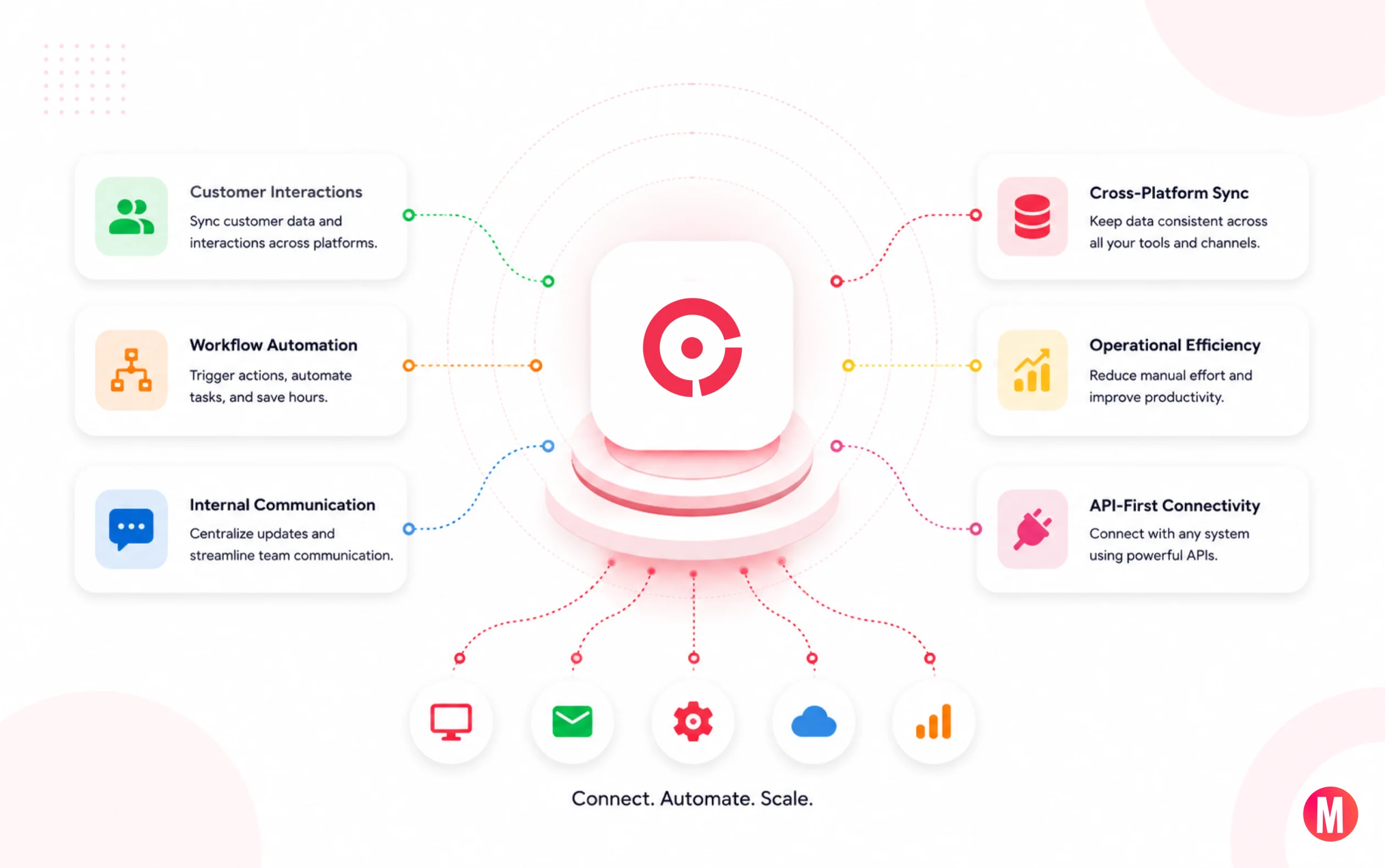



Modern startups operate in an environment where speed, efficiency, and customer experience directly influence growth. As businesses scale, managing customer interactions, operational workflows, internal communication, and cross-platform data manually becomes increasingly difficult. Teams often spend valuable hours updating systems, transferring information between tools, and handling repetitive administrative tasks—time that could be better invested in innovation and strategic growth.
Traditional content management systems were designed primarily to store and deliver content. However, today’s businesses require far more than static content delivery. They need intelligent infrastructure capable of automating operations, synchronizing systems, and supporting seamless customer experiences.
This is where Orbitype changes the game.
With its API-first architecture, flexible schema system, and powerful webhook capabilities, Orbitype goes beyond being a traditional headless CMS. It becomes the operational nerve center of a growing business, enabling teams to automate workflows, connect platforms, streamline communication, and maintain synchronized environments across multiple channels.
In this article, we’ll explore how startups are using Orbitype to automate operations, improve customer success, and build scalable systems designed for long-term growth.
The event-driven engine
At the core of Orbitype’s operational capabilities is its event-driven architecture.
An event-driven system automatically responds whenever a specific action takes place. These actions may include:
Form submissions
Customer registrations
Product updates
Support requests
User activity
Content modifications
Instead of relying on employees to manually process these actions, Orbitype instantly triggers workflows using APIs and webhooks.
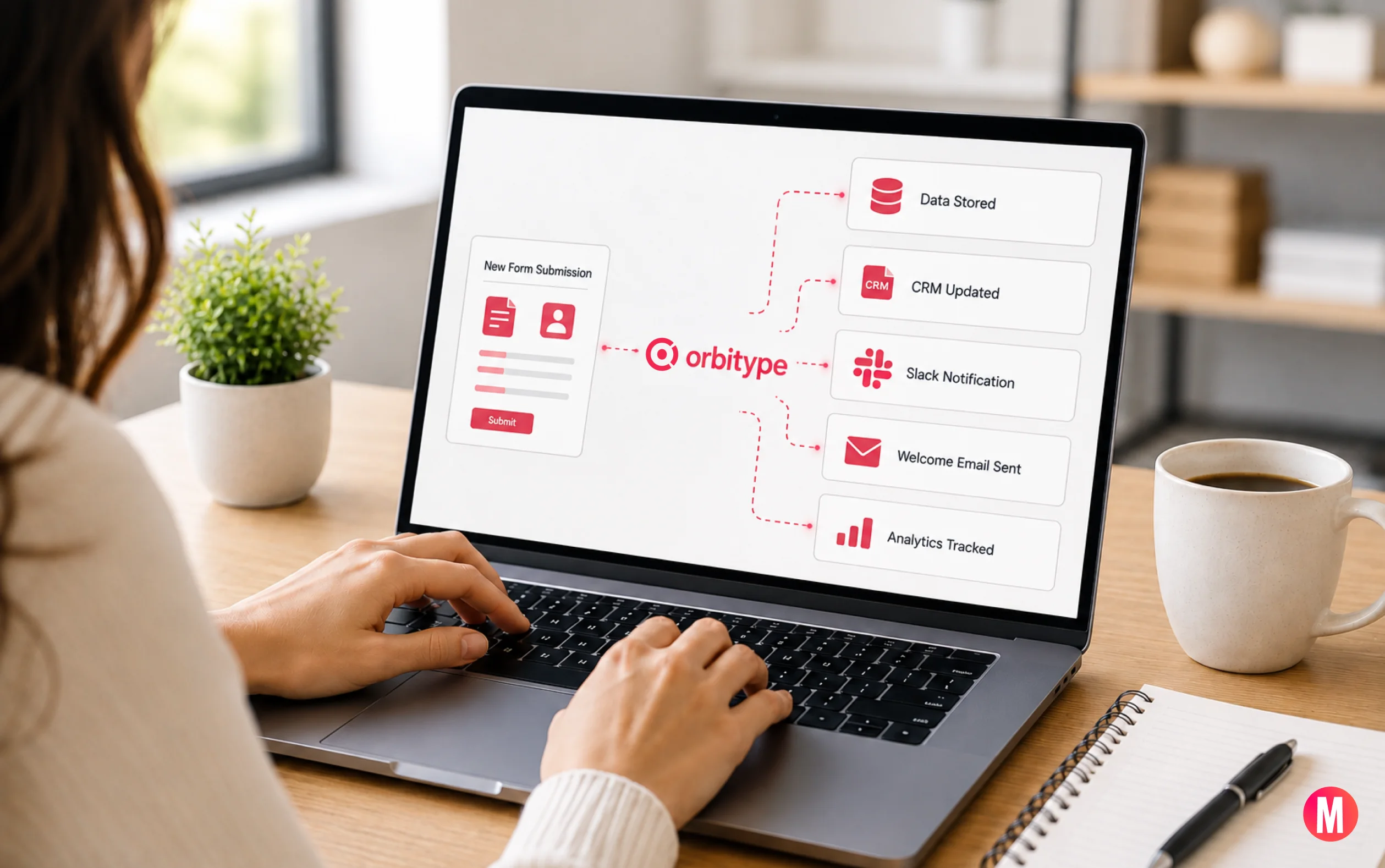
For instance, when a customer submits a contact form:
Customer data is stored automatically
CRM systems receive instant updates
Internal Slack notifications are triggered
Welcome email sequences begin immediately
Analytics systems record conversion events
All of these actions happen in real-time without manual intervention.
This approach reduces repetitive work, accelerates internal processes, and ensures customers receive immediate responses, creating a smoother experience across every touchpoint.
Connecting your stack
Modern startups rarely rely on a single software platform. Marketing, sales, customer support, analytics, and product teams often use specialized tools tailored to their specific needs.
The challenge is keeping all these systems connected and synchronized.
Orbitype’s API-first design makes integration seamless.
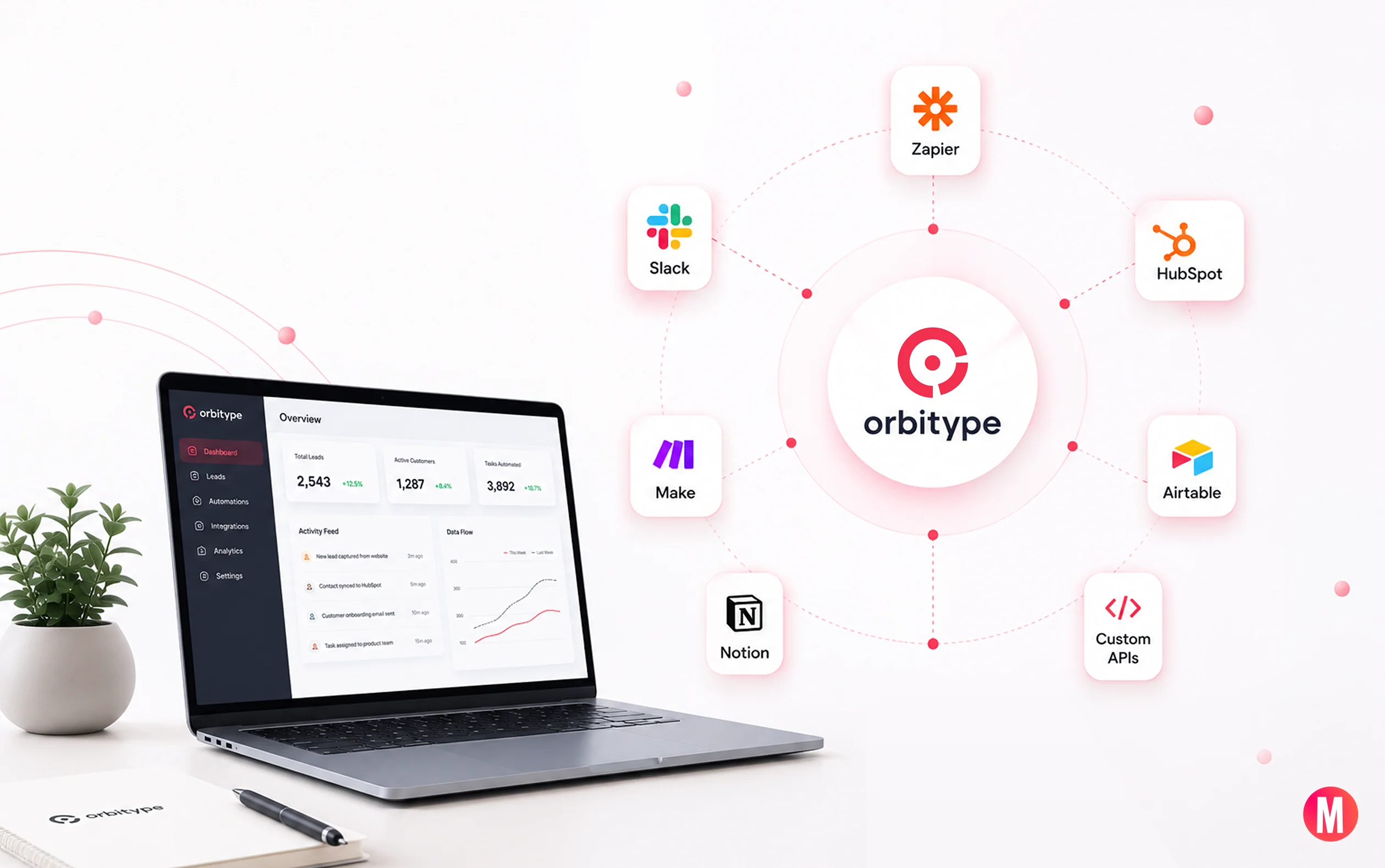
Using tools such as:
Zapier
Make
Slack
HubSpot
Airtable
Notion
Custom APIs
By leveraging webhooks and integrations, businesses can automatically route information between systems with minimal delay.
This creates a connected operational ecosystem where every department has access to accurate, up-to-date information.
For example:
Marketing teams receive real-time lead updates
Sales teams gain instant CRM synchronization
Customer success teams receive onboarding alerts
Product teams monitor customer behavior automatically
Instead of manually transferring information between disconnected platforms, Orbitype acts as the operational hub that powers communication across the organization.
Real-world use case (onboarding)
Customer onboarding plays a vital role in shaping the overall customer journey.Delays or confusion during onboarding can negatively affect retention and customer satisfaction.
With Orbitype, startups can automate onboarding workflows from the moment a user signs up.Imagine a SaaS company using Orbitype for lead capture and onboarding.
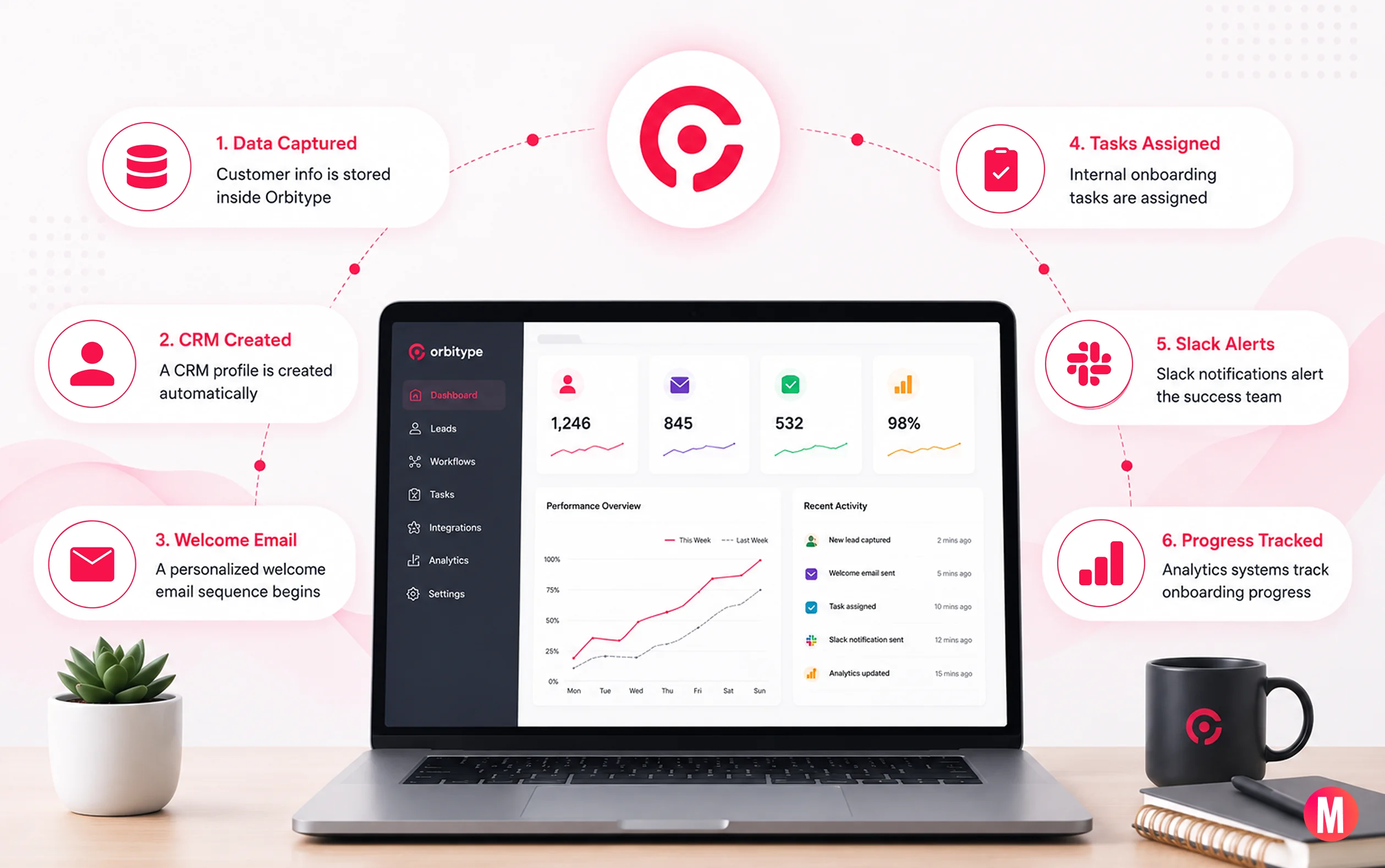
When a new customer submits a registration form:
Customer information is stored inside Orbitype
A CRM profile is created automatically
A personalized welcome email sequence begins
Internal onboarding tasks are assigned
Slack notifications alert the customer success team
Analytics systems track onboarding progress
Customers receive immediate guidance while internal teams stay continuously informed in real time, creating a seamless and professional onboarding experience that scales effortlessly as the company grows.
Real-world use case (data syndication)
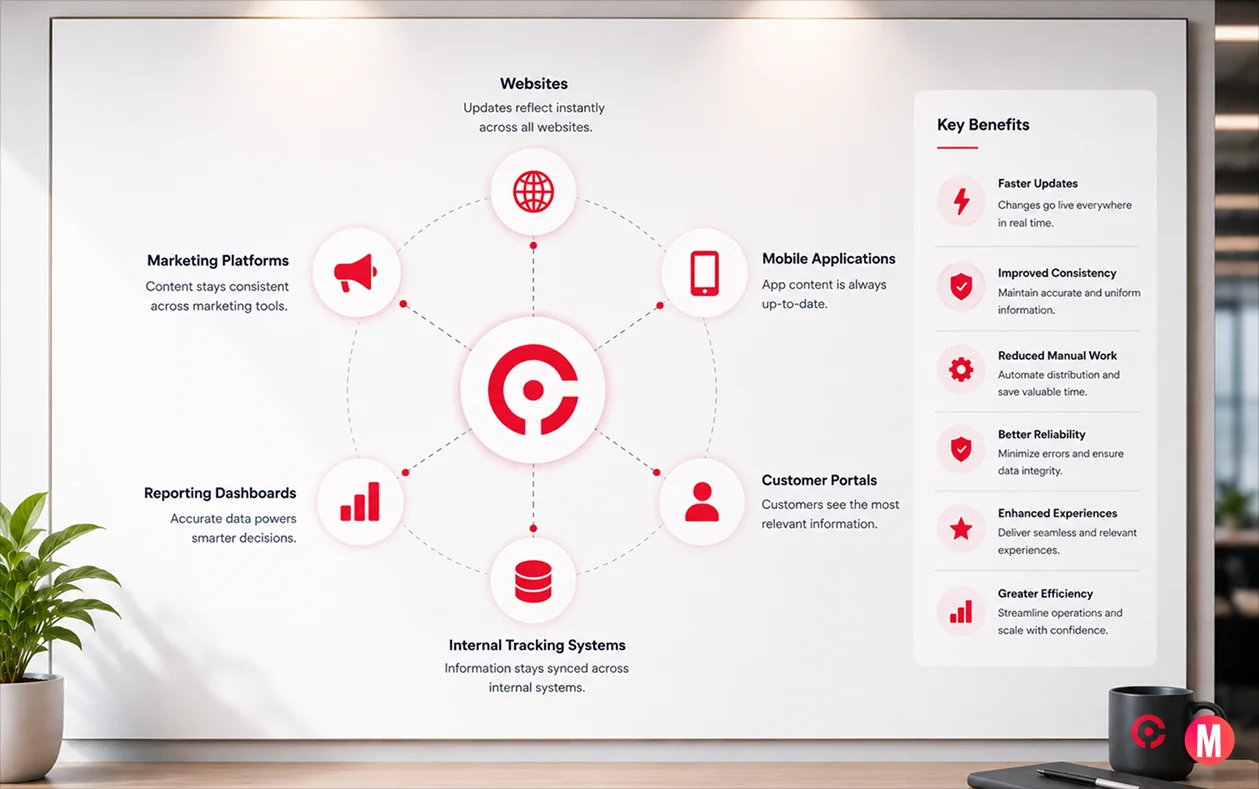
As businesses expand, maintaining consistent information across multiple platforms becomes increasingly difficult.
A single content update may need to appear on:
Websites
Mobile applications
Customer portals
Internal tracking systems
Reporting dashboards
Marketing platforms
Without automation, teams often duplicate updates manually, increasing the risk of inconsistencies and operational errors.
Orbitype solves this challenge through centralized content management and automated data distribution.
When information changes inside Orbitype, connected platforms update automatically through APIs and webhooks. This creates a reliable single source of truth across every environment.
The benefits include:
Faster updates
Improved data consistency
Reduced manual work
Better operational reliability
Enhanced customer experiences
Greater organizational efficiency
For startups managing multiple digital channels, this level of synchronization becomes essential for scalability.
Structuring for stability
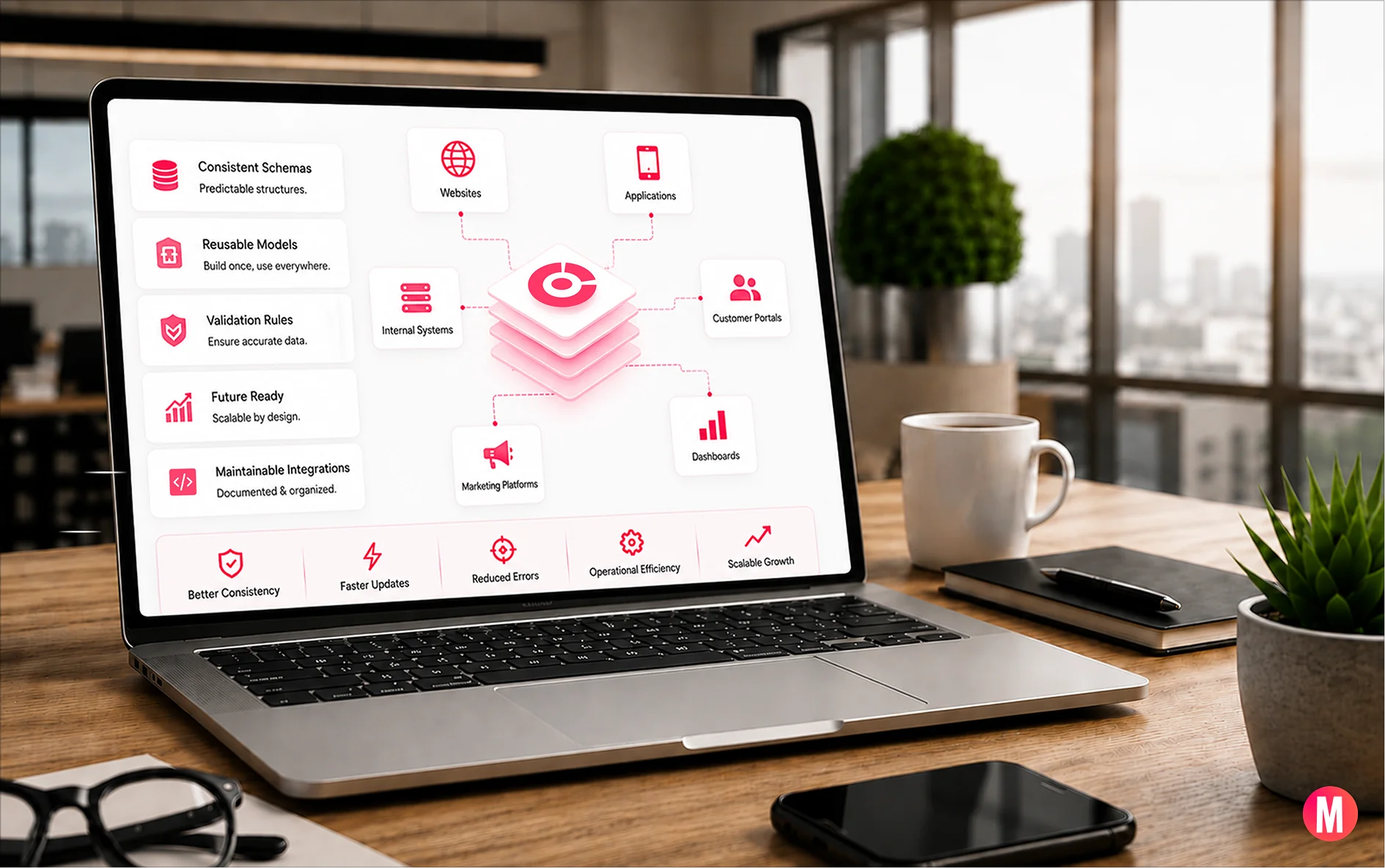
Automation is only as reliable as the structure supporting it.
Poor schema design, inconsistent naming conventions, and unstructured content models can create downstream issues that disrupt workflows and cause integrations to fail.
To build stable and scalable automation systems, startups should establish strong data foundations from the beginning.
Key best practices include:
Use Consistent Schema Naming
Maintain predictable naming conventions for collections, fields, and content types. Consistency simplifies integrations and reduces maintenance complexity.
Design Reusable Content Models
Build schemas that can be reused across multiple applications and workflows rather than creating isolated structures for each use case.
Apply Validation Rules
Validation ensures data quality before information enters automated workflows, reducing the risk of errors propagating across connected systems
Plan for Future Growth
Design schemas that can accommodate additional channels, integrations, and business processes as the organization evolves.
Keep Integrations Maintainable
Document webhook endpoints, API connections, and automation workflows so future team members can manage and expand the system efficiently.
Orbitype’s flexible schema architecture makes it easier to organize information effectively while preparing for future operational expansion.
When data structures are designed thoughtfully, automation workflows become more resilient, scalable, and easier to maintain over time.
Conclusion
Modern startups need more than traditional content management systems. They need intelligent infrastructure capable of automating operations, synchronizing platforms, and supporting scalable customer success strategies.
Orbitype transforms content management into a connected operational engine through its API-first architecture, webhook capabilities, and flexible workflow integrations. By automating repetitive tasks, streamlining communication, and connecting multiple systems seamlessly, startups can scale faster while delivering exceptional customer experiences.
Automation is no longer just a convenience — it has become an essential part of sustainable growth. Startups that embrace connected operational systems with Orbitype today are building the foundation for faster, smarter, and more scalable businesses tomorrow.



Industries
Services
Company
Resources