How to Build a Lead Acquisition Funnel That Actually Converts
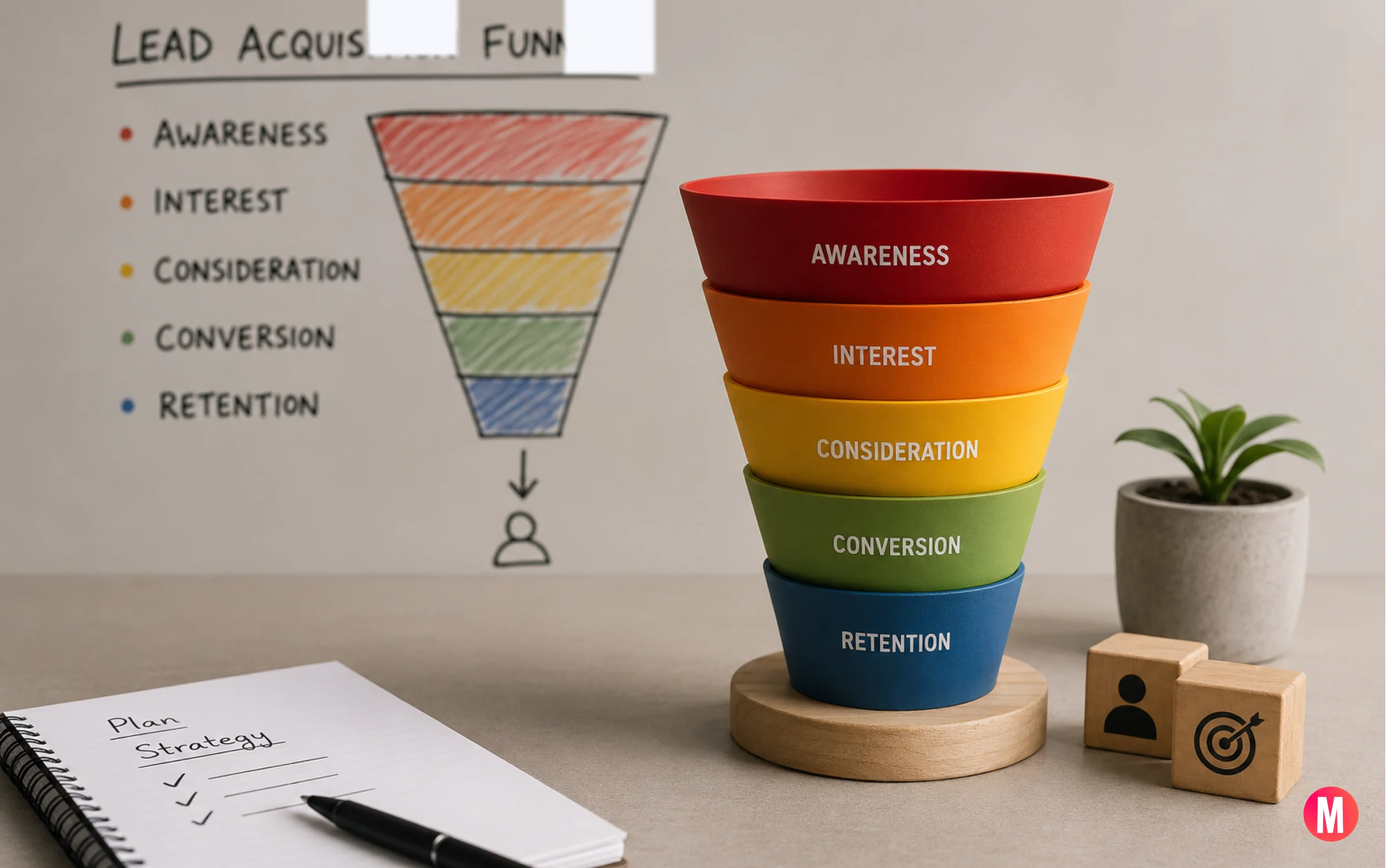
Most websites attract visitors but fail to turn them into leads. In fact, generating traffic is only half the battle. The real challenge is guiding potential customers through a structured journey that builds trust, captures their information, and ultimately converts them into paying customers.
This is where a lead acquisition funnel becomes essential.
A well-designed lead acquisition funnel helps businesses consistently generate qualified leads, reduce customer acquisition costs, and create predictable growth. Whether you're a startup, SaaS company, agency, or eCommerce business, having the right funnel can significantly improve your marketing performance.
Want to attract more qualified leads? This guide will show you what a lead acquisition funnel is, how it works, how it differs from a sales funnel, and the step-by-step process for creating one from scratch.
What is a Lead Acquisition Funnel?
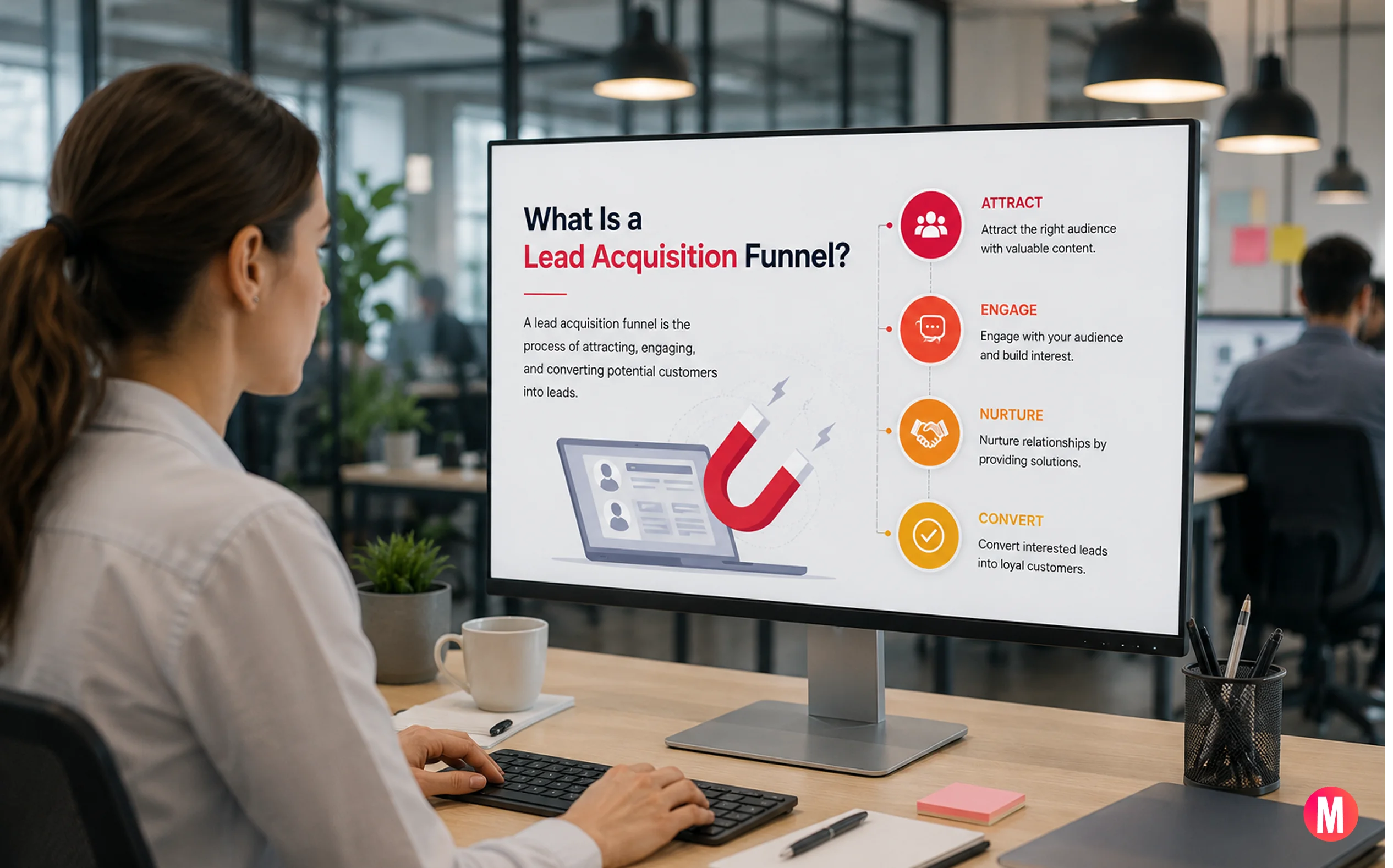
A lead acquisition funnel is a marketing framework designed to attract potential customers, capture their contact information, and move them closer to making a purchase decision.
Rather than relying on random website traffic, a funnel creates a structured path that guides prospects from initial awareness to becoming qualified leads.
A typical lead acquisition funnel includes the following:
Traffic generation
Lead capture
Lead nurturing
Lead qualification
Conversion optimization
When each stage works together effectively, businesses can generate a steady flow of high-quality leads while improving marketing ROI.
Lead Acquisition Funnel vs. Sales Funnel
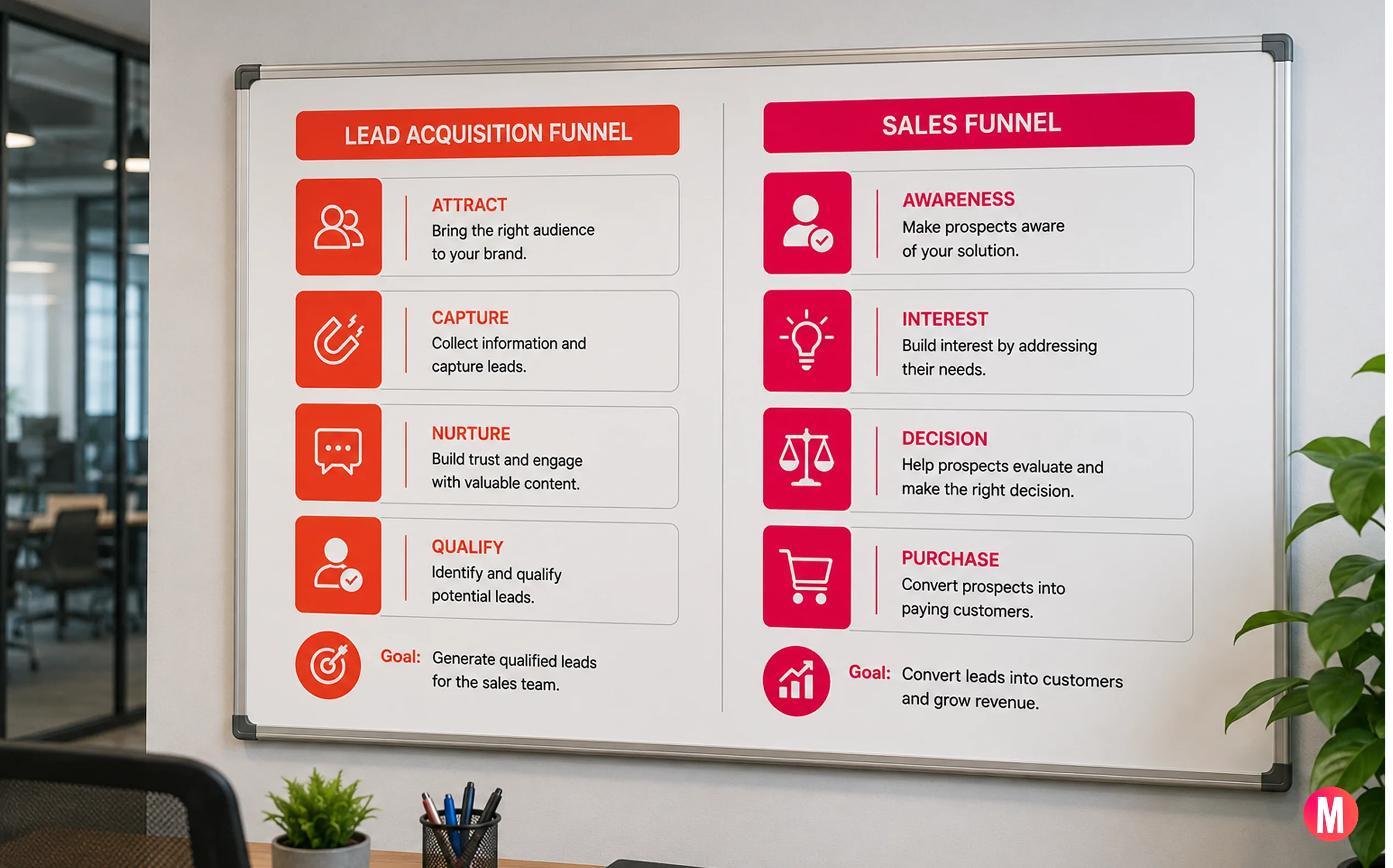
Although the terms are often used interchangeably, lead acquisition funnels and sales funnels serve different purposes.
Lead Acquisition Funnel | Sales Funnel |
Focuses on attracting prospects | Focuses on closing deals |
Generates and captures leads | Converts leads into customers |
Primarily marketing-driven | Primarily sales-driven |
Builds awareness and interest | Handles evaluation and purchase decisions |
Think of the lead acquisition funnel as the process that fills your pipeline, while the sales funnel turns those opportunities into revenue.
Both are critical for sustainable business growth.
Understanding the Funnel Stages: TOFU, MOFU, and BOFU
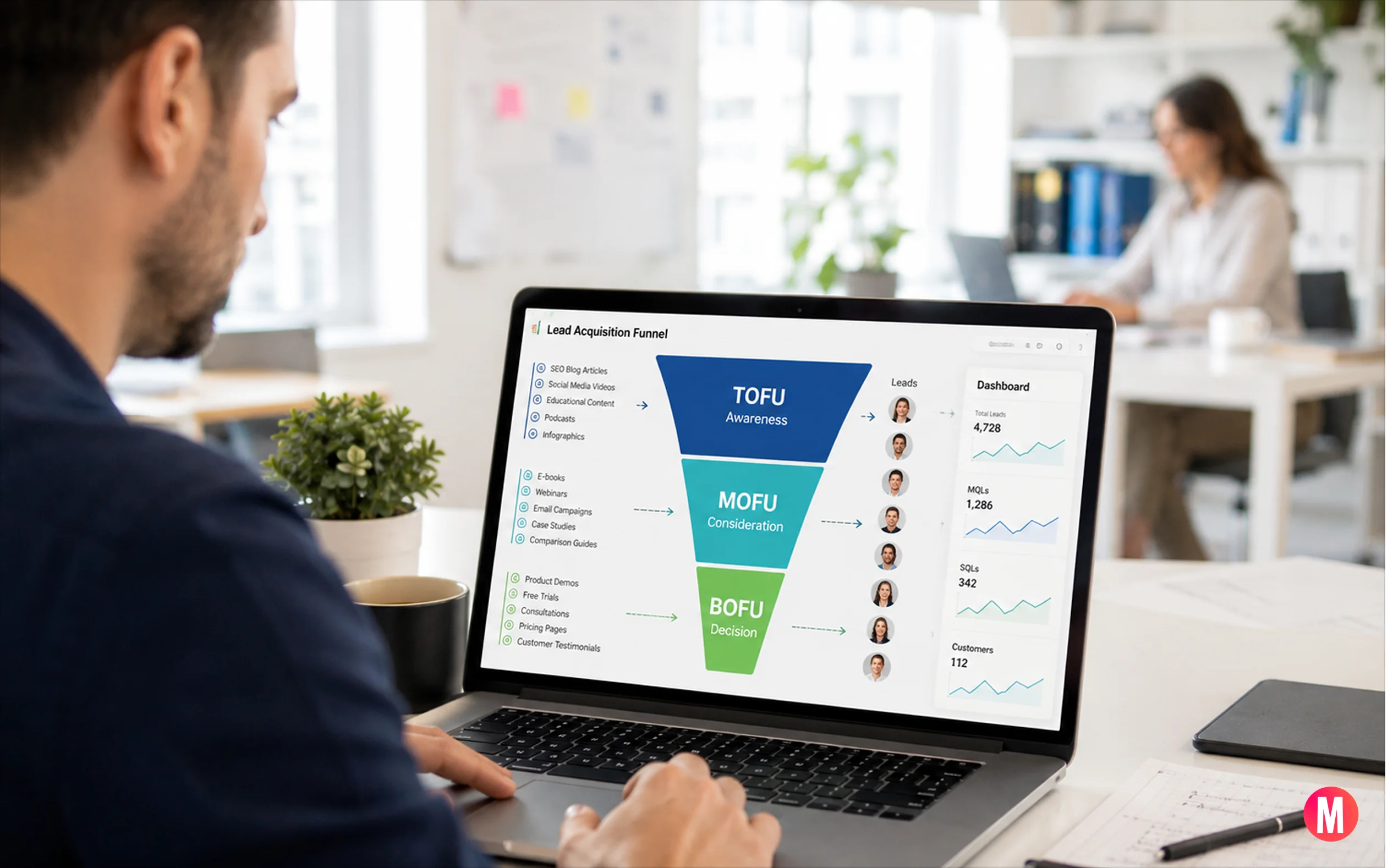
Not every visitor is ready to buy immediately. Most prospects move through several stages before making a purchasing decision.
Successful marketing depends on matching the right message to the right stage of the buyer journey. Someone searching for educational information is still in discovery mode, whereas a repeat visitor reviewing pricing is much closer to making a decision. Treating both users the same can weaken your funnel's effectiveness and reduce conversion rates.
Marketers commonly divide this journey into three stages:
TOFU (Top of Funnel)
MOFU (Middle of Funnel)
BOFU (Bottom of Funnel)
The better you understand these stages, the easier it becomes to connect with potential customers using content and offers that match their current needs.
➡️ TOFU (Top of Funnel): Awareness Stage
The top of the funnel is where prospects first realize they have a problem to solve or a goal to achieve. At this point, they are searching for information and insights rather than evaluating products or services. They are looking for answers. They have a problem they want to understand better, and they are searching for information, guidance, or reassurance. Your job at this stage is to be the most helpful result they find — not to sell, but to educate.
Goal: The goal here is reach and relevance, getting in front of the right people at the moment they are looking for help.
Effective TOFU content includes the following:
Blog posts
Educational videos
Social media content
Industry guides
Infographics
Podcasts
Example:
A business owner searches Google for:
"How to generate more B2B leads."
They discover your blog article and begin learning about lead generation strategies.
They're not looking to buy anything yet—they're simply exploring the topic and collecting useful information.
➡️ MOFU (Middle of Funnel): Consideration Stage
At the middle of the funnel, users are becoming aware of a problem or opportunity. Your goal is to attract attention, educate prospects, and introduce your brand.
Goal - The goal at this stage is to capture contact information, build trust, and keep the lead engaged long enough to move toward a decision.
Effective MOFU content includes the following:
Case studies
Comparison guides
Webinars
Email sequences
Product demonstrations
Customer testimonials
Example:
The visitor downloads a lead generation checklist from your website and joins your email list.
Over the next few weeks, they receive educational emails, success stories, and practical advice that help build confidence in your expertise.
➡️ BOFU (Bottom of Funnel): Decision Stage
At the bottom of the funnel, your lead knows they have a problem, understands that solutions exist, and is now deciding which one to choose. They are comparing youagainst competitors, weighing risk against reward, and looking for a reason to commit or a reason to walk away.
Your job here is to remove friction and eliminate doubt.
Goal - The focus at this stage is to eliminate doubts, strengthen trust, and guide prospects toward taking action.
Effective BOFU content includes the following:
Free consultations
Product demos
Free trials
Pricing pages
Customer success stories
ROI calculators
Example:
After reading several case studies and attending a webinar, the prospect books a strategy call with your team.
At this point, the goal is conversion.
Need expert help building a lead acquisition funnel? Explore our services at Massive Work and discover how we turn more visitors into qualified leads.
How to Build a High-Converting Lead Acquisition Funnel
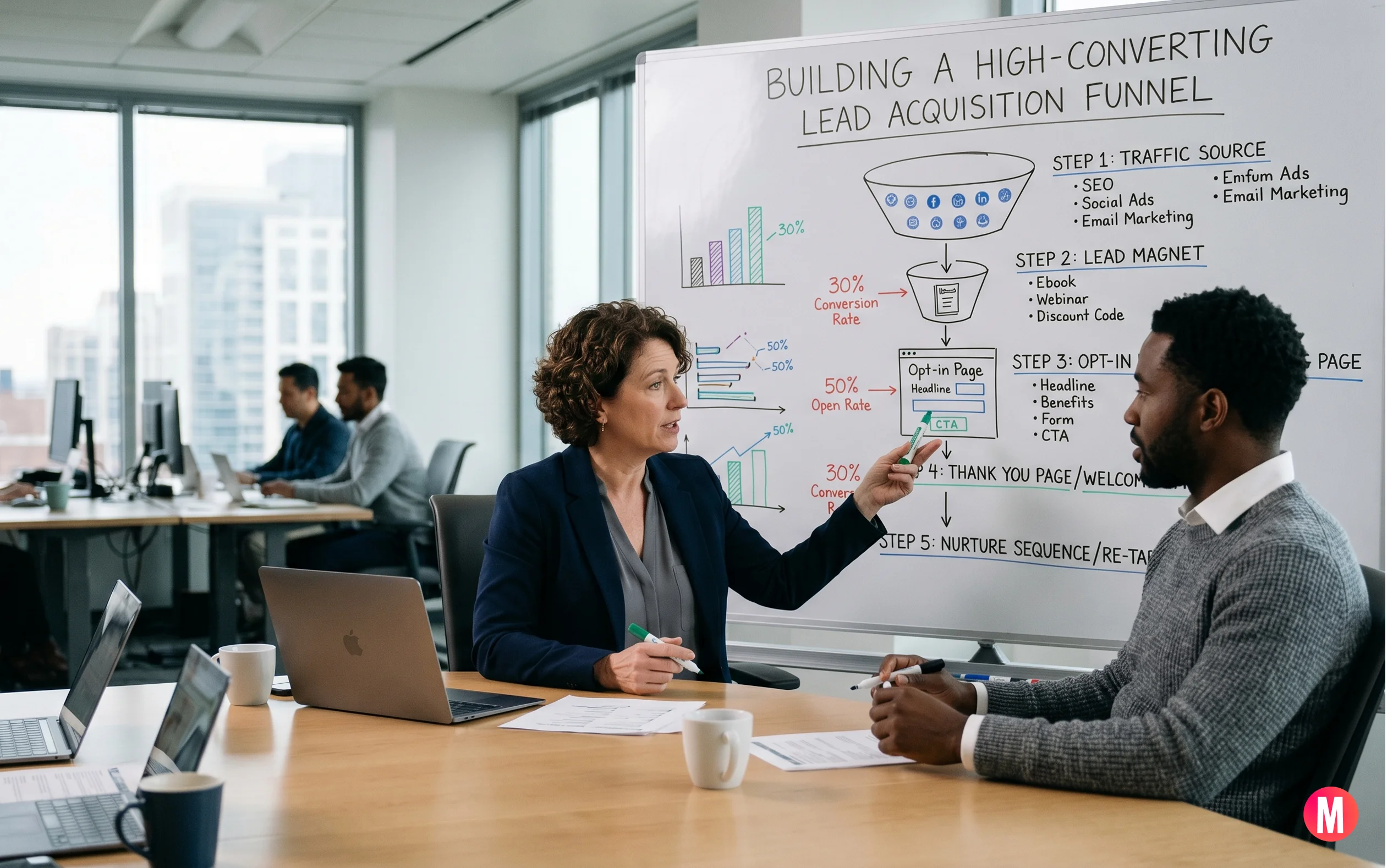
An effective lead generation funnel can be built with the right strategy, even without significant financial resources.
Follow these steps to create a funnel that generates qualified leads.
➡️ Step 1: Define Your Target Audience
Many funnels fail because businesses try to market to everyone.
Before launching campaigns, identify the following:
Who your ideal customer is
Their goals
Their challenges
Their buying triggers
Their objections
The more specific your audience definition, the more effective your messaging will be.
➡️ Step 2: Choose the Right Traffic Sources
Traffic quality matters more than traffic volume.
Prioritize the marketing channels that best match your target audience and support your overall business goals.
1. SEO (Organic Search)
SEO helps attract prospects actively searching for solutions.
Benefits include:
Sustainable lead generation
Lower long-term acquisition costs
High-intent traffic
2. Google Ads
Google Ads can deliver results fast because it puts your business in front of people who are already looking for what you offer.
Best for:
Competitive industries
Immediate lead generation
Testing offers
3. Social Media Marketing
Networks like LinkedIn, Facebook, Instagram, and X can play an important role in boosting brand exposure and audience engagement.
Best for:
Brand awareness
Community building
Lead nurturing
4. Email Marketing
Email remains one of the highest-performing channels for lead nurturing and conversion.
5. Referral Marketing
Recommendations from existing customers often generate highly qualified leads with lower acquisition costs.
A balanced mix of paid and organic channels typically delivers the strongest long-term results.
➡️ Step 3: Create a Valuable Lead Magnet
Most visitors will not share their contact information without receiving something valuable in return. A lead magnet provides that incentive. The best lead magnets solve a specific problem and deliver immediate value.
Popular lead magnets include the following:
Free Checklist or Template
Discount or Coupon
Free Consultation or Audit
Webinar or Workshop
Industry Reports or Guides
➡️ Step 4: Build an Optimized Landing Page
Your landing page is where visitors become leads.
A high-converting landing page should include:
A compelling headline
Clear value proposition
Strong call-to-action (CTA)
Simple lead capture form
Social proof
Mobile-friendly design
Avoid unnecessary distractions and keep the focus on a single action.
➡️ Step 5: Implement Lead Scoring and Qualification
Not every lead is ready to buy. A well-defined lead scoring system allows sales and marketing teams to identify high-intent prospects more efficiently. Organizations often evaluate leads by analyzing how they interact with content, campaigns, and other brand touchpoints.
Example Lead Scoring Model:
Action | Score |
Downloaded a guide | +5 |
Opened an email | +3 |
Visited pricing page | +15 |
Attended webinar | +20 |
Requested a demo | +30 |
The higher the score, the stronger the buying intent. Marketing automation and CRM platforms can help automate this process and improve sales efficiency.
➡️ Step 6: Nurture Leads Through Email Marketing
Many leads won't convert immediately. This is where lead nurturing becomes critical.
A well-structured email sequence can:
Build trust
Educate prospects
Address objections
Demonstrate expertise
Encourage action
Instead of selling in every email, focus on providing value and solving problems. When businesses stay connected with potential customers throughout their journey, they're more likely to turn interest into sales and create stronger relationships.
Common Lead Funnel Mistakes to Avoid
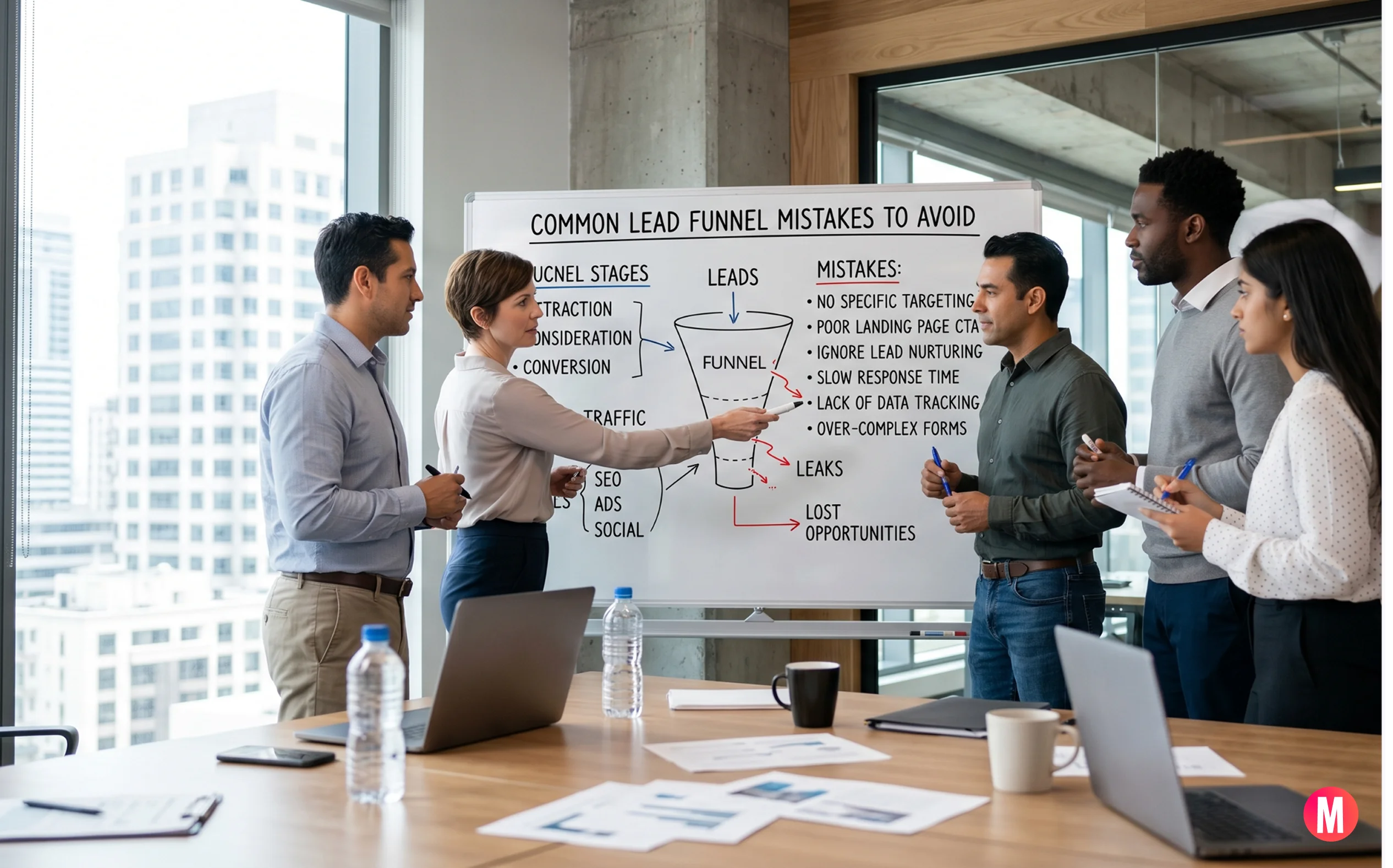
Even well-designed funnels can underperform if key mistakes are overlooked.
1. No Clear Target Audience
Generic messaging attracts unqualified traffic and lowers conversion rates.
2. Weak Top-of-Funnel Content
Without strong awareness content, your funnel will struggle to generate leads.
3. Poor Lead Qualification
Passing low-quality leads to sales wastes time and resources.
4. No Lead Scoring System
Without prioritization, high-intent prospects can slip through the cracks.
5. Overcomplicated Funnel Design
Too many steps create friction and reduce conversions. The most effective funnels are often the simplest.
Metrics to Track Success
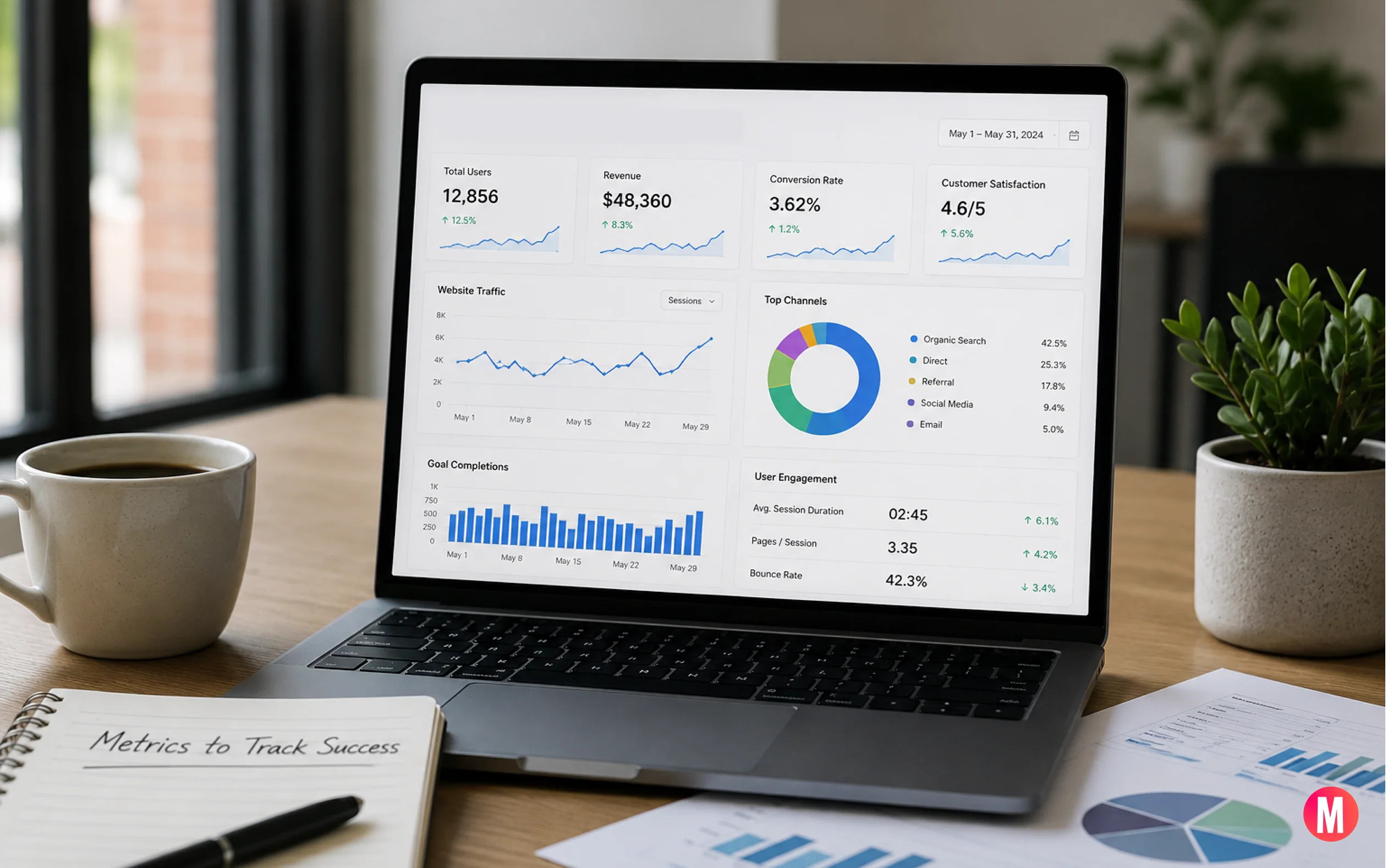
Without measurement, it is impossible to know whether a funnel is performing well. Tracking the right metrics provides valuable insights into user behavior and helps businesses make informed decisions through Google Analytics and other analytics tools. These numbers reveal where improvements are needed and which strategies are delivering the best results. Consistent monitoring also makes it easier to scale successful campaigns.
1. CPL (Cost Per Lead)
CPL shows how much it costs to generate a single lead. It helps measure how efficient your marketing spend is and whether you are acquiring leads at a reasonable cost.
2. MQL Rate (Quality Leads Percentage)
This metric shows what percentage of total leads are actually high-quality and likely to convert. It helps ensure that only relevant leads are passed to the sales team.
3. Funnel Velocity (Speed of Conversion)
Funnel velocity measures how quickly a user moves from lead to customer. Funnel velocity serves as a key performance indicator: higher speed suggests operational efficiency, while lower speed may highlight gaps in the lead nurturing or sales process.
4. Conversion Rate per Stage
This shows how many users move from one stage of the funnel to the next. It helps identify where users are dropping off so improvements can be made in specific stages.
Looking to improve your lead generation strategy? Visit Massive Work to learn how we help businesses build high-converting acquisition funnels.
Frequently Asked Questions
1. What is a lead acquisition funnel?
A lead acquisition funnel is a process that attracts potential customers, captures their information, and guides them toward becoming paying customers.
2. What is the difference between a lead generation funnel and a sales funnel?
A lead generation funnel focuses on attracting and capturing prospects, while a sales funnel focuses on converting those prospects into customers.
3. What is a good cost per lead (CPL)?
A good CPL varies by industry, competition, and customer lifetime value. The key is ensuring your CPL allows for profitable customer acquisition.
4. Which lead magnet converts best?
There is no universal answer, but checklists, templates, free consultations, and industry reports often perform exceptionally well because they provide immediate value.
5. How long does it take for a funnel to generate results?
Paid advertising funnels can generate leads within days, while SEO-driven funnels may take several months to produce significant results.
Conclusion
A successful lead acquisition funnel is built by attracting the right audience, delivering valuable content at every stage, and guiding users toward conversion. By choosing the right channels, nurturing leads effectively, and continuously optimizing performance with insights from HubSpot Marketing Hub, businesses can generate higher-quality leads and achieve better results.







Industries
Services
Company
Resources